
01
Controlled flexibility
Geometry can be tuned to bend, compress, grip, or return instead of behaving like a rigid plastic part.
TPU adds controlled flex, grip, impact absorption, and compliance to bumpers, bellows, sleeves, guards, and protective features.
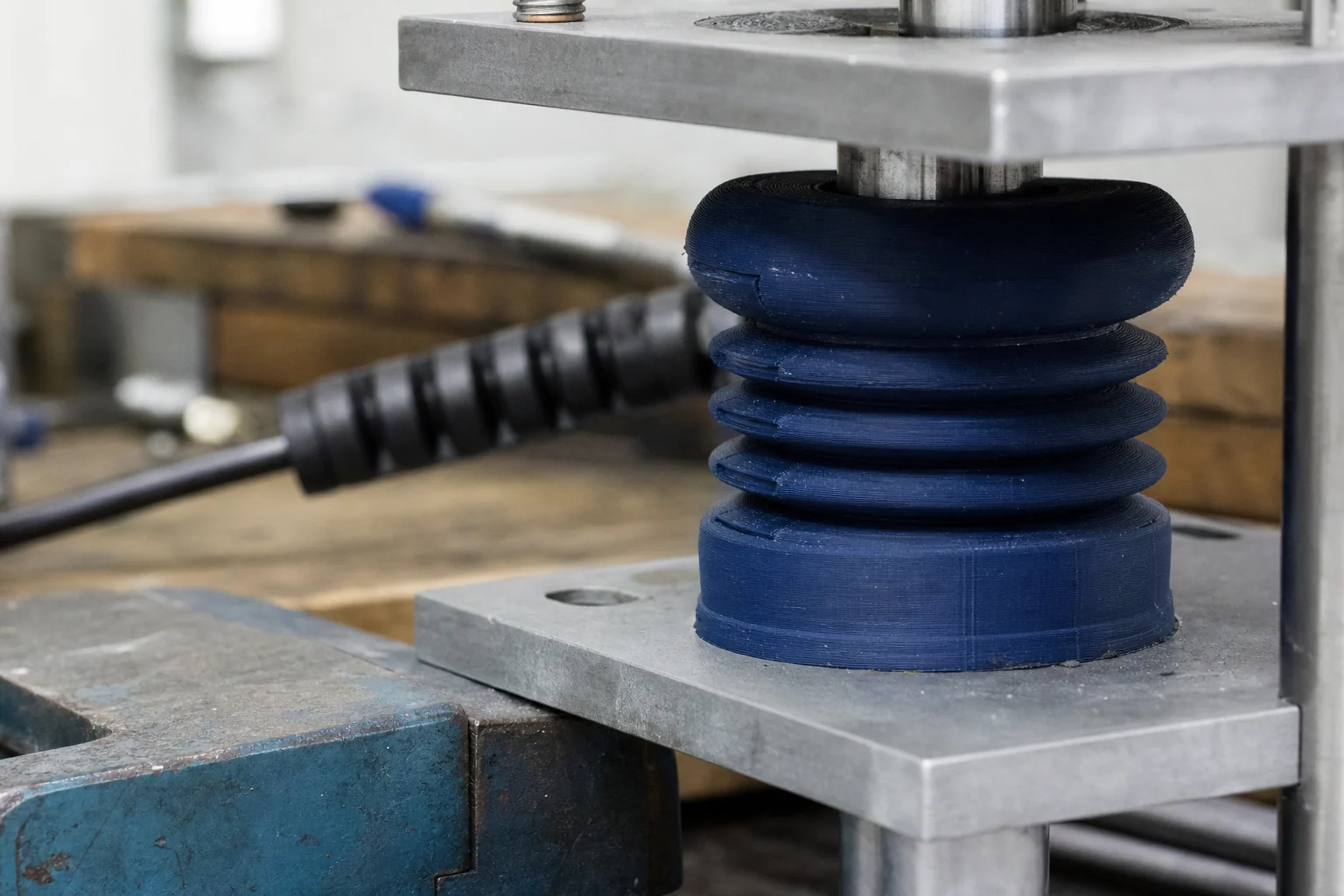
Flexible and impact-absorbing
Depends on grade and exposure
Bumpers, grips, boots, and sleeves
Hardness, walls, and movement
TPU is not one single level of softness. Grade, hardness, wall thickness, infill, and geometry work together to determine how a printed part bends and returns. It can replace a rigid component with a compliant one, but the design must be developed around the motion, squeeze, grip, or impact the part needs to handle.
The material and the geometry work together. These advantages are strongest when orientation, wall thickness, interfaces, and the real operating environment are reviewed as one system.
Geometry can be tuned to bend, compress, grip, or return instead of behaving like a rigid plastic part.
Bumpers and guards can spread contact and protect a harder assembly from routine handling or vibration.
A custom sleeve, pad, or strain relief can match the actual cable, handle, tool, or enclosure geometry.
The same material can feel very different when wall thickness, ribs, infill, and unsupported length change.
Flexible holes and mating features move during assembly. Fit should be tested on the real interface.
Soft material can show strings or support marks. Visible faces and contact surfaces should be identified before orientation is chosen.
Share the real interfaces and operating conditions. A short note about how the part fails is often more useful than selecting a material name alone.
Tell us how far the part bends or compresses, how often it moves, and what must happen when the load is removed.
Bellows, ribs, cutouts, wall thickness, and lattice patterns often matter as much as the selected hardness.
A short fit test is the safest way to validate grip, insertion force, sealing pressure, or cable retention.
No. TPU is available in different hardness ranges, and printed geometry can make the final part feel much softer or stiffer.
It can create compressible sealing features, but leak performance depends on surface finish, compression, geometry, and the fluid or environment involved.
Yes, as separate assembled pieces or in selected multi-material workflows. The interface and production method need review.
A prototype may use one material while the final part uses another. Compare the job requirements before locking the process.
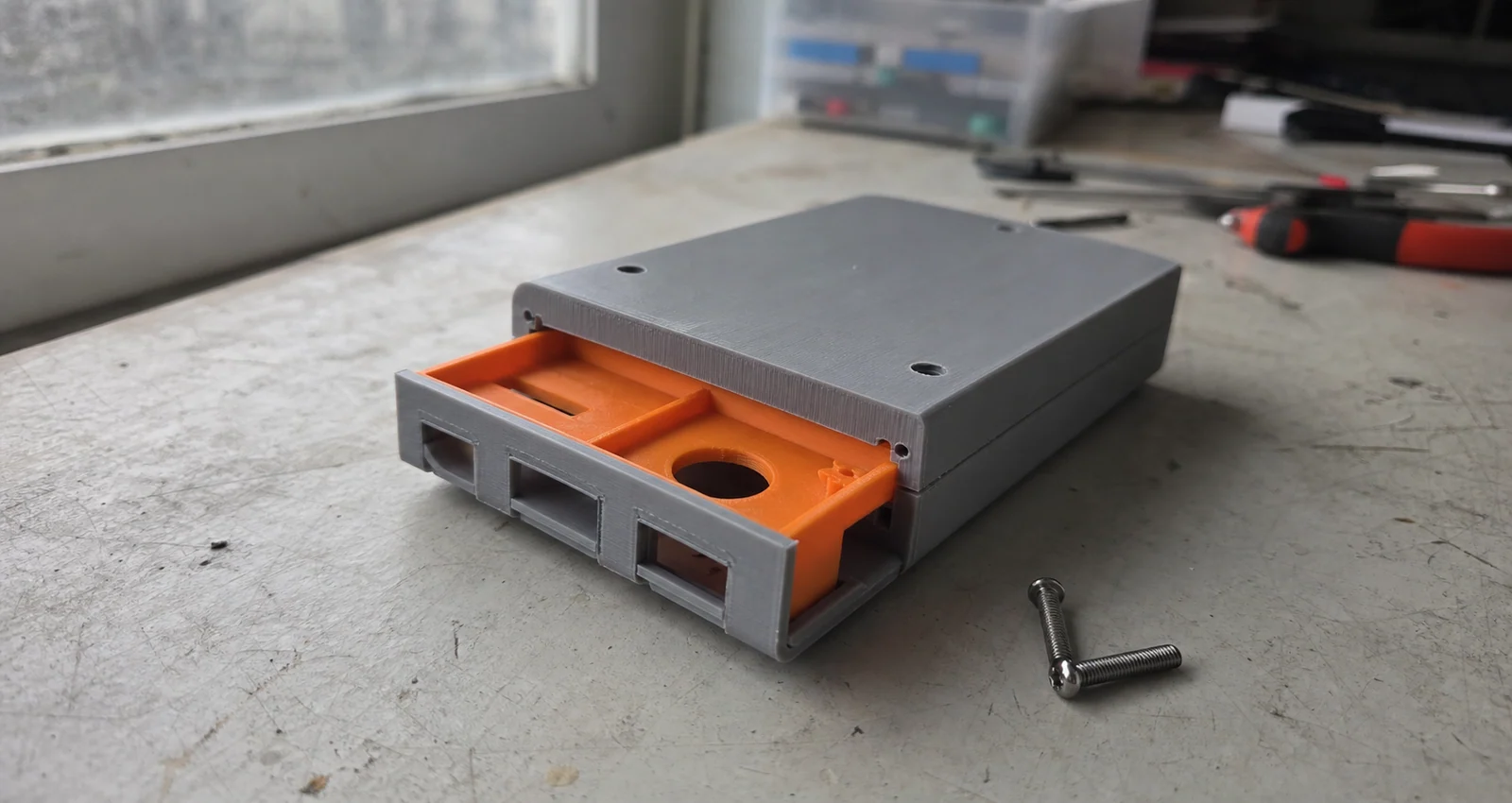
Visual prototypes, fit checks, fixtures, and indoor parts
View PLA →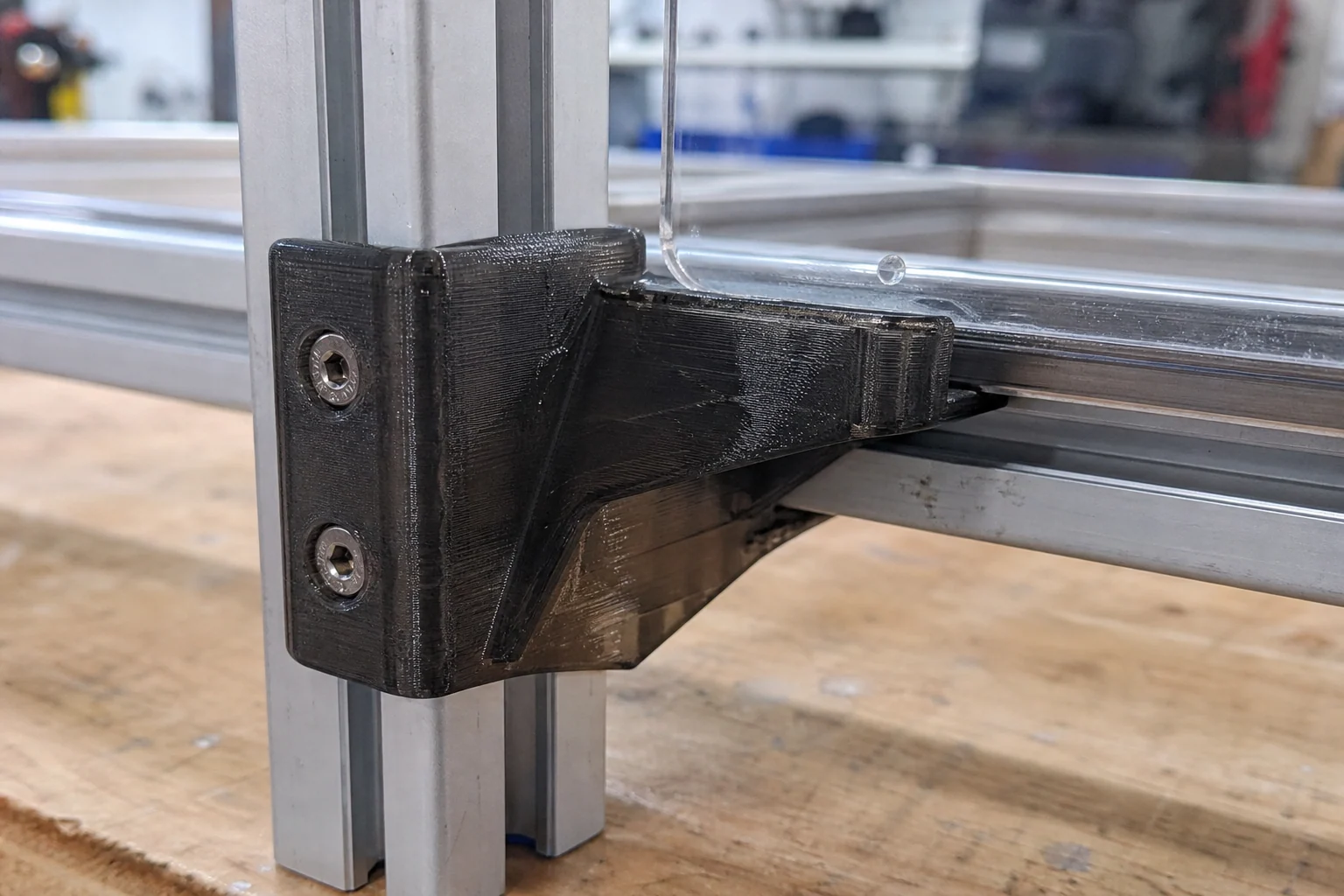
Functional parts, brackets, guards, and general shop use
View PETG →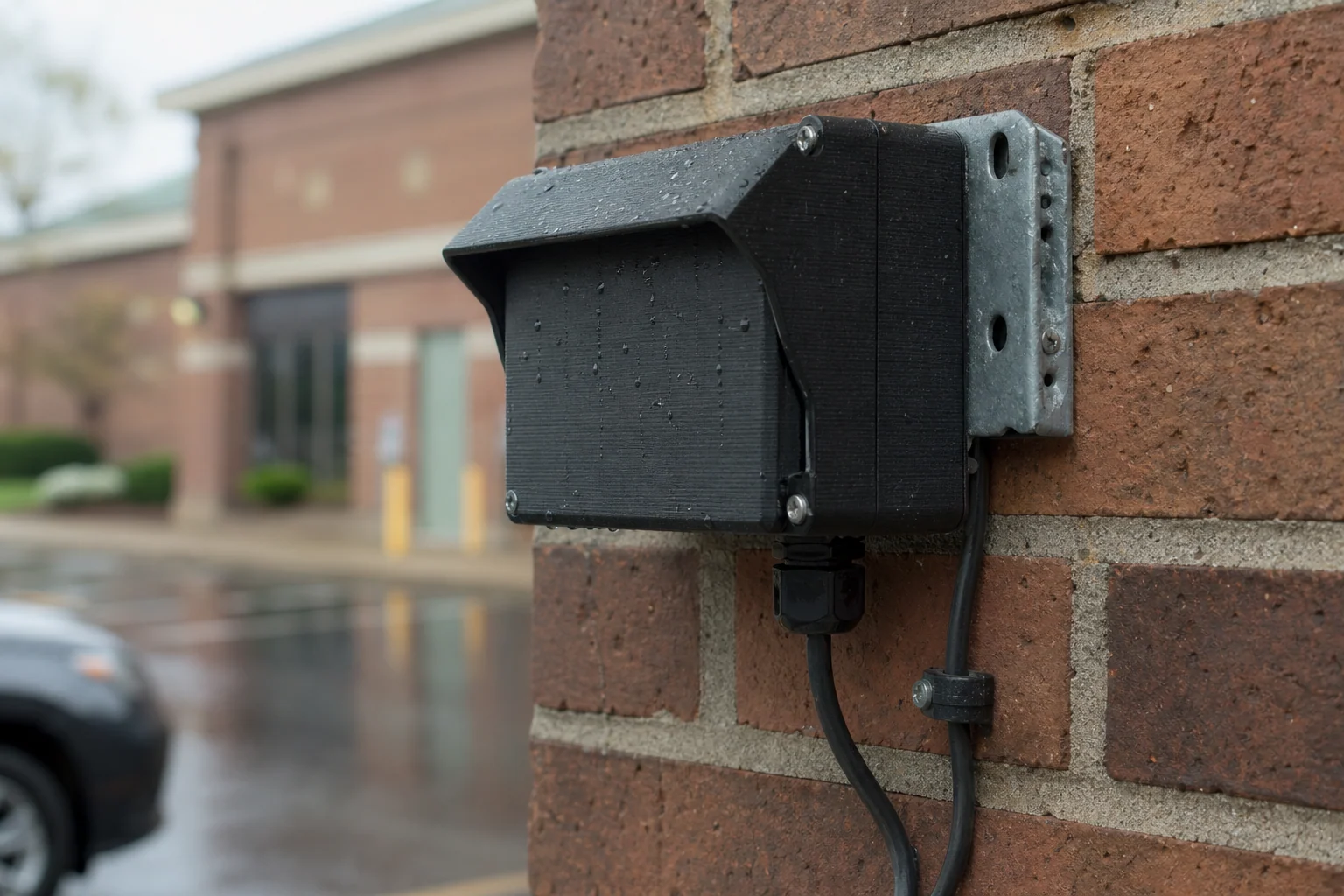
Outdoor housings, covers, and weather-exposed components
View ASA →
Wear-resistant parts and demanding functional applications
View Nylon →Upload the geometry and describe the load, environment, quantity, and critical interfaces. We will confirm whether TPU is a practical match or recommend another option.