01
Clean design feedback
Crisp edges and readable details make interfaces, proportions, clearances, and surface decisions easier to evaluate.
PLA is a practical first choice when the job is to see a design, check fit, communicate form, or produce a rigid indoor part without unnecessary process complexity.
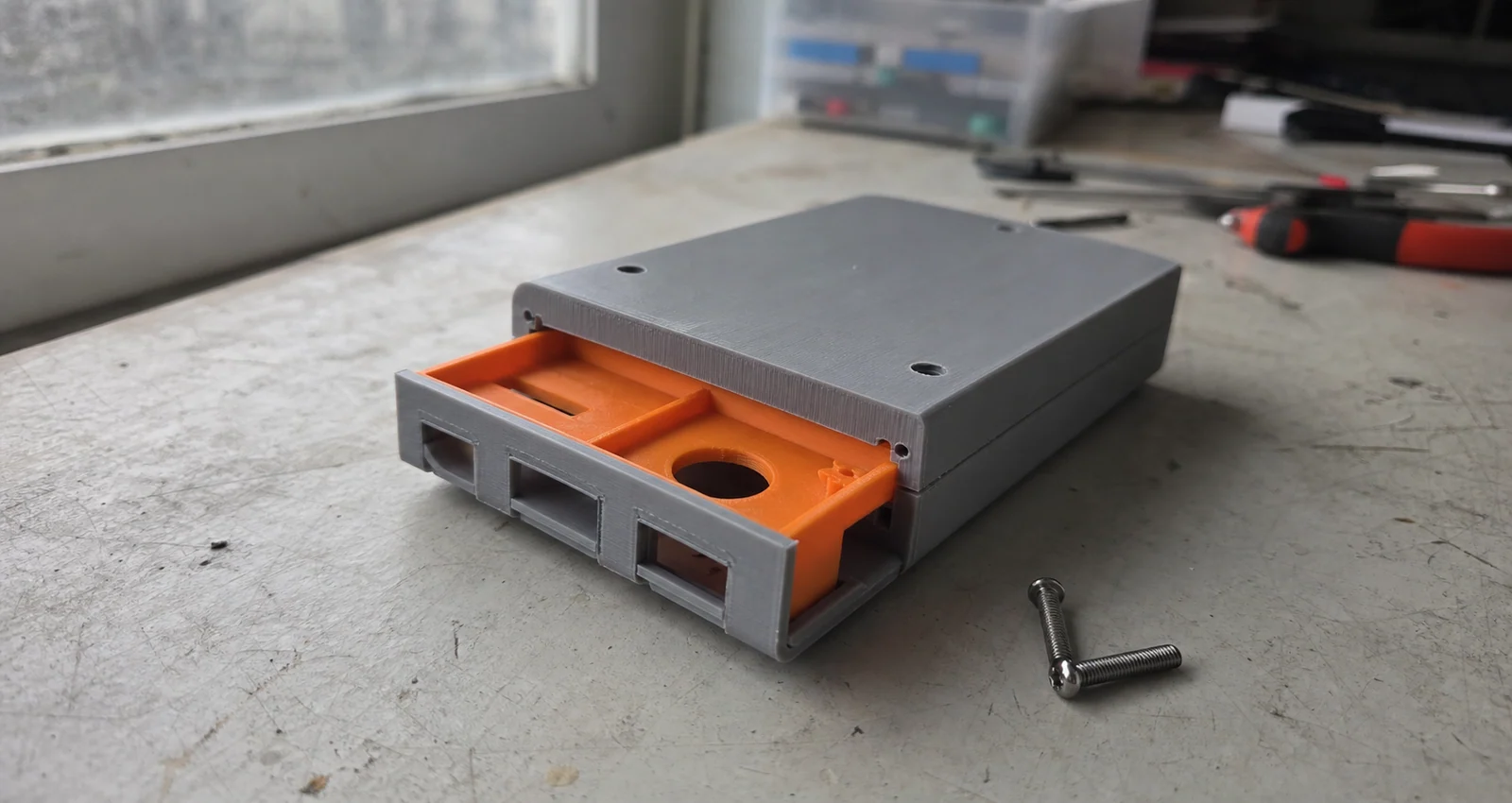
Rigid, clean, predictable
Indoor and moderate conditions
Prototypes and visual parts
Heat, impact, and exterior use
PLA turns CAD changes into clean, easy-to-inspect physical parts. It holds detail well and is available in a broad range of colors, which makes it useful for design reviews and presentation models. It is not automatically the right choice for heat, repeated impact, long-term weather, or highly stressed snap features.
The material and the geometry work together. These advantages are strongest when orientation, wall thickness, interfaces, and the real operating environment are reviewed as one system.
Crisp edges and readable details make interfaces, proportions, clearances, and surface decisions easier to evaluate.
PLA is well suited to early revisions where the goal is to learn from the part and change the model quickly.
A broad color range can help distinguish revisions, communicate product intent, or prepare a presentable concept model.
Warm vehicles, equipment enclosures, direct sun, and nearby heat sources can make PLA a poor long-term choice.
Rigid geometry can crack when it is repeatedly flexed or struck. Load direction and stress concentration matter.
Weather and UV exposure should be discussed before using PLA for a permanent exterior component.
Share the real interfaces and operating conditions. A short note about how the part fails is often more useful than selecting a material name alone.
Identify the holes, clips, mating faces, and clearances that the prototype must validate.
Fillets and gradual transitions reduce local stress in brackets, tabs, and housings.
A PLA fit check can validate geometry even when the approved production material will be different.
No. PLA can be useful for indoor fixtures and light-duty parts, but the actual load, temperature, and expected life still need review.
Sometimes. If the operating conditions suit PLA, the same revision can be reviewed for a small run. Otherwise the geometry can move to another material.
Short, lightly flexed features may work, but repeated flexing or aggressive assembly often calls for a tougher or more flexible material.
A prototype may use one material while the final part uses another. Compare the job requirements before locking the process.
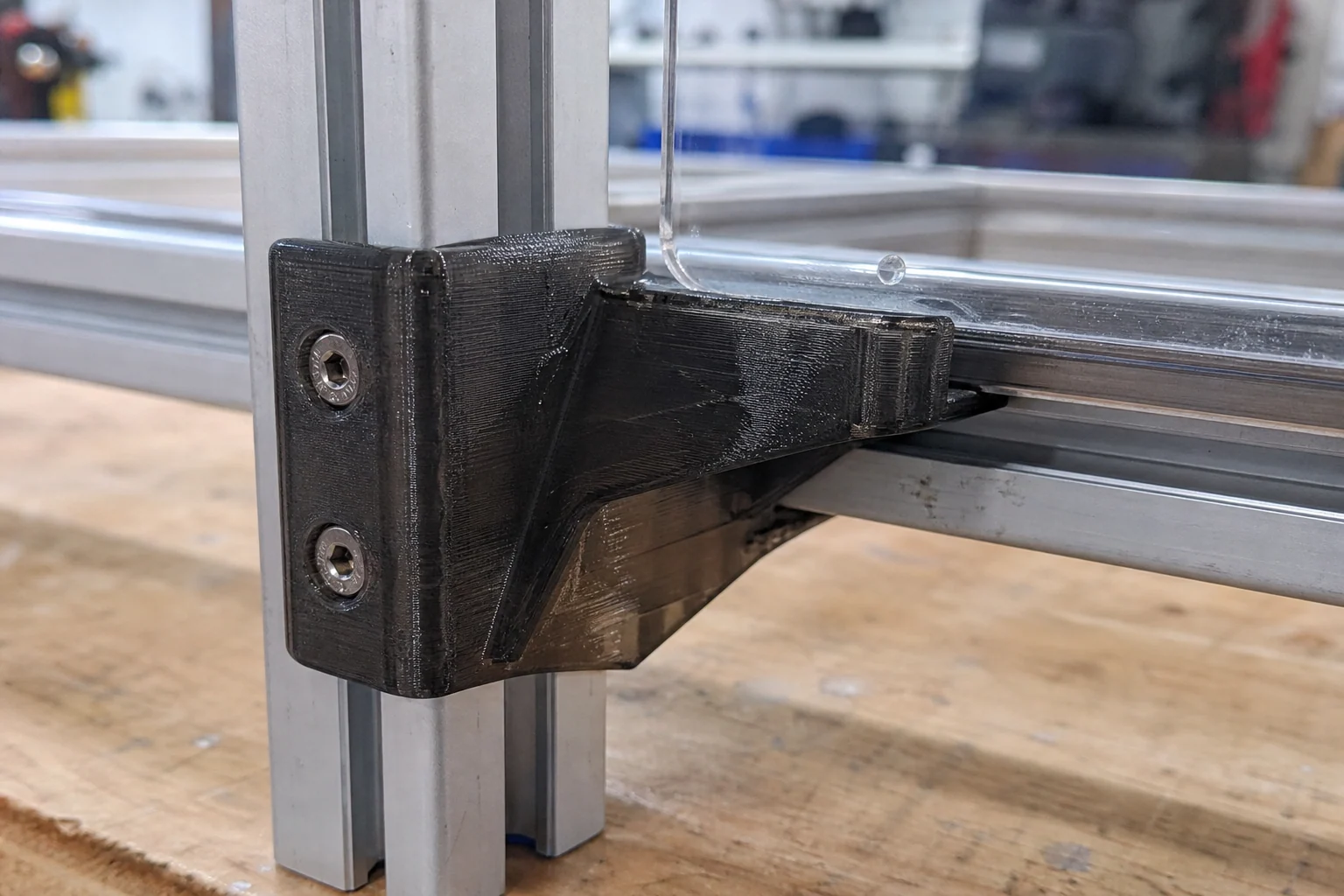
Functional parts, brackets, guards, and general shop use
View PETG →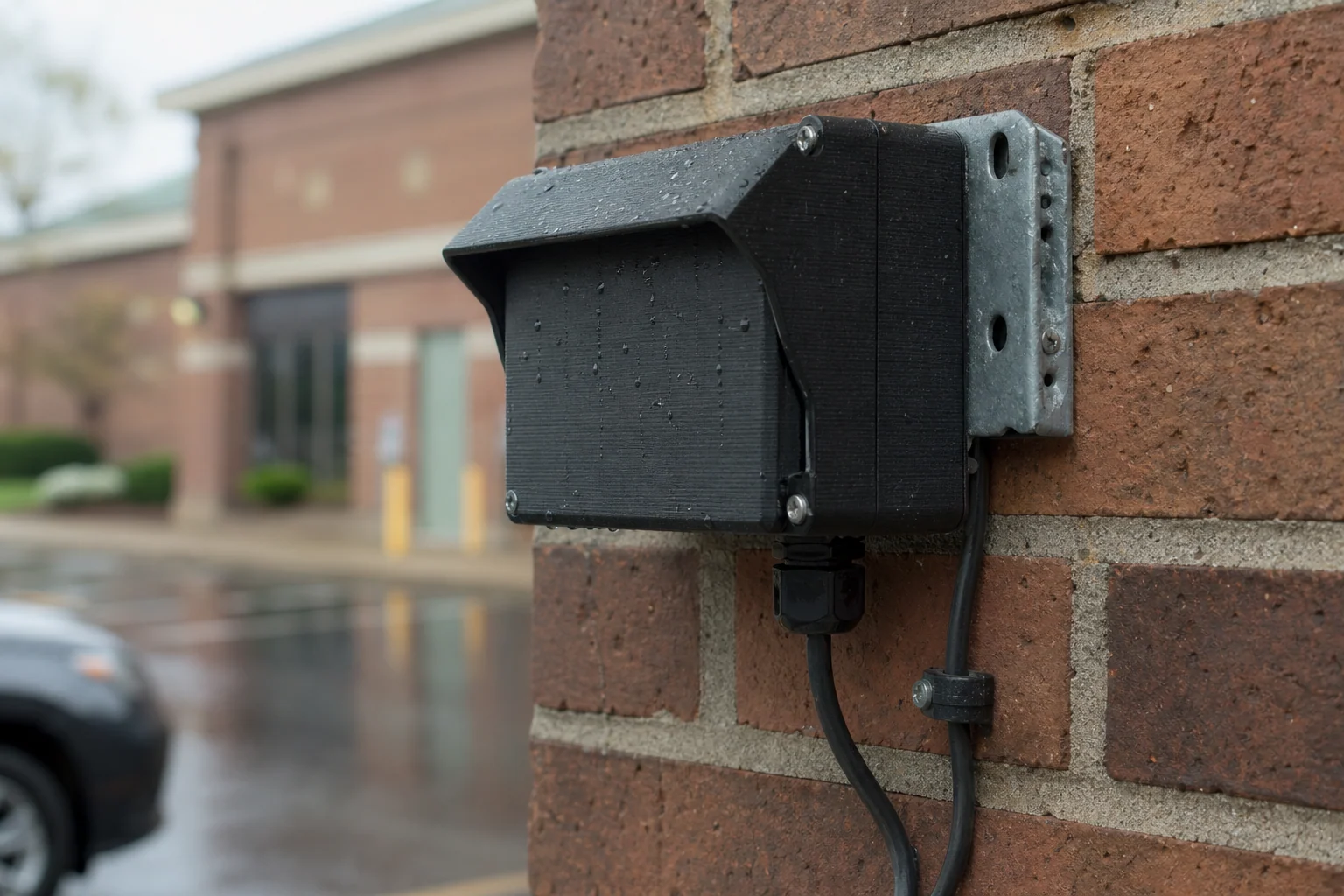
Outdoor housings, covers, and weather-exposed components
View ASA →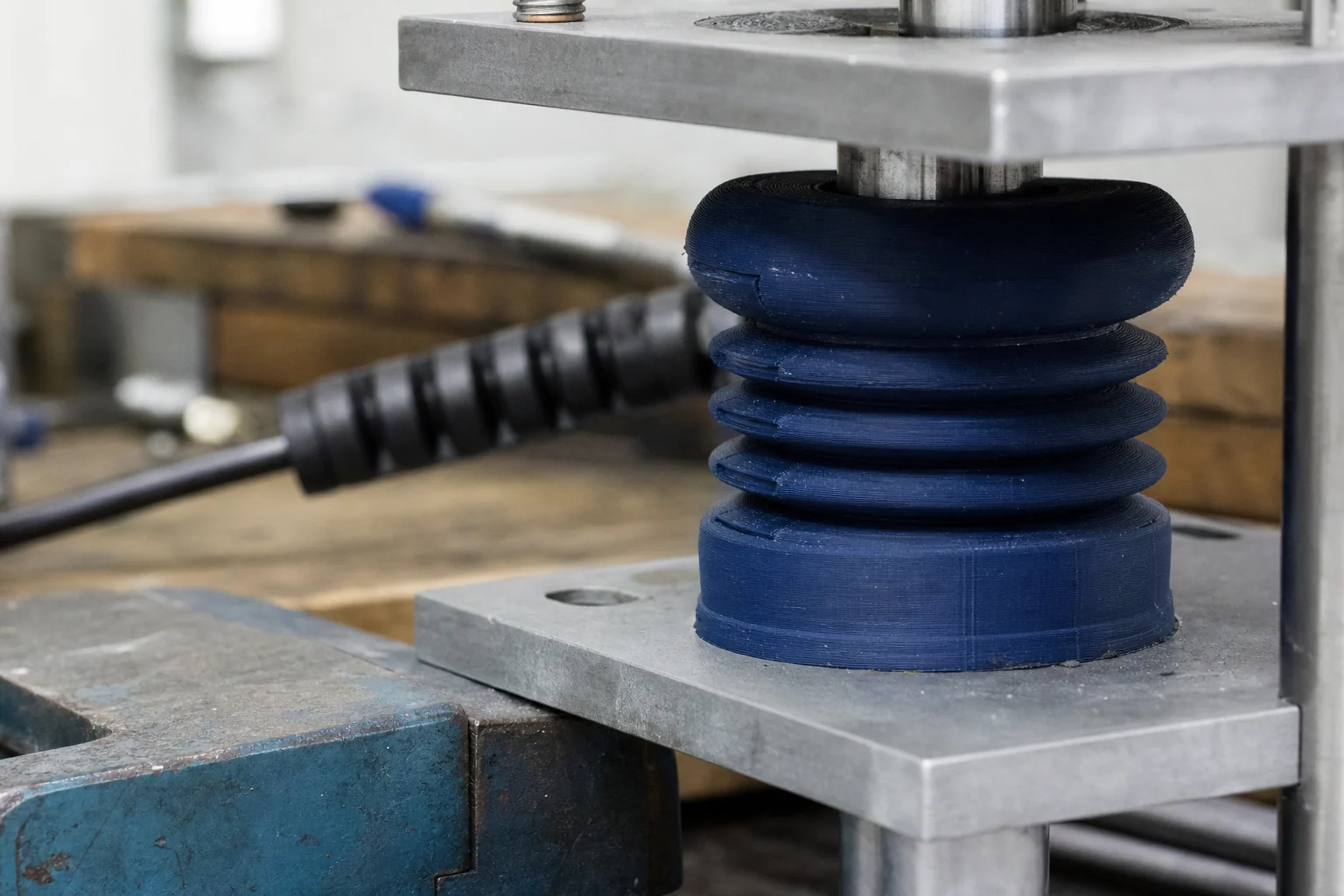
Flexible guards, bumpers, sleeves, and compliant features
View TPU →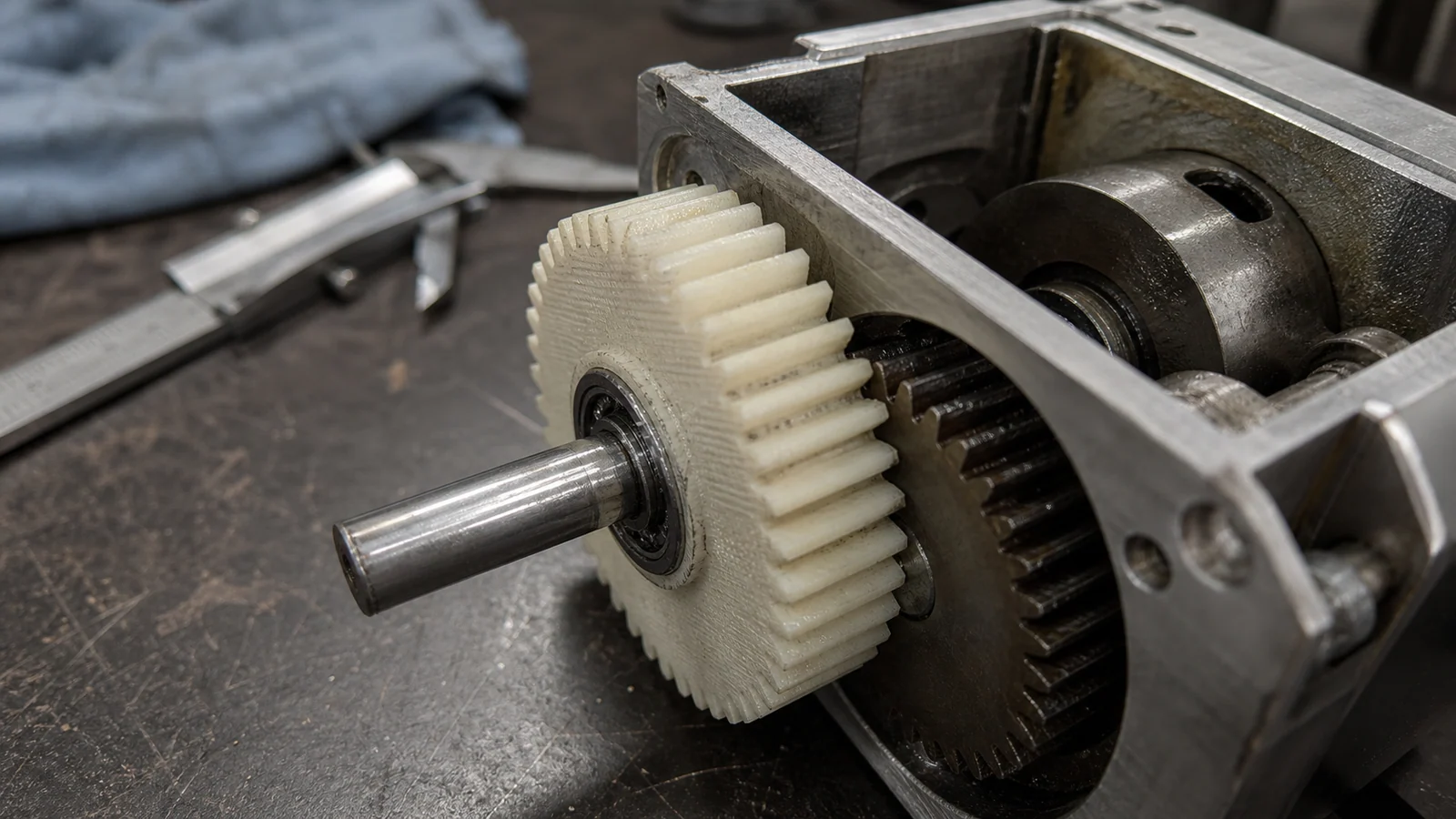
Wear-resistant parts and demanding functional applications
View Nylon →Upload the geometry and describe the load, environment, quantity, and critical interfaces. We will confirm whether PLA is a practical match or recommend another option.