
01
Practical toughness
PETG can absorb more deformation before breaking than a very rigid prototype material, which helps many functional geometries.
PETG balances toughness, moisture resistance, and practical printability for brackets, guards, covers, and everyday functional components.
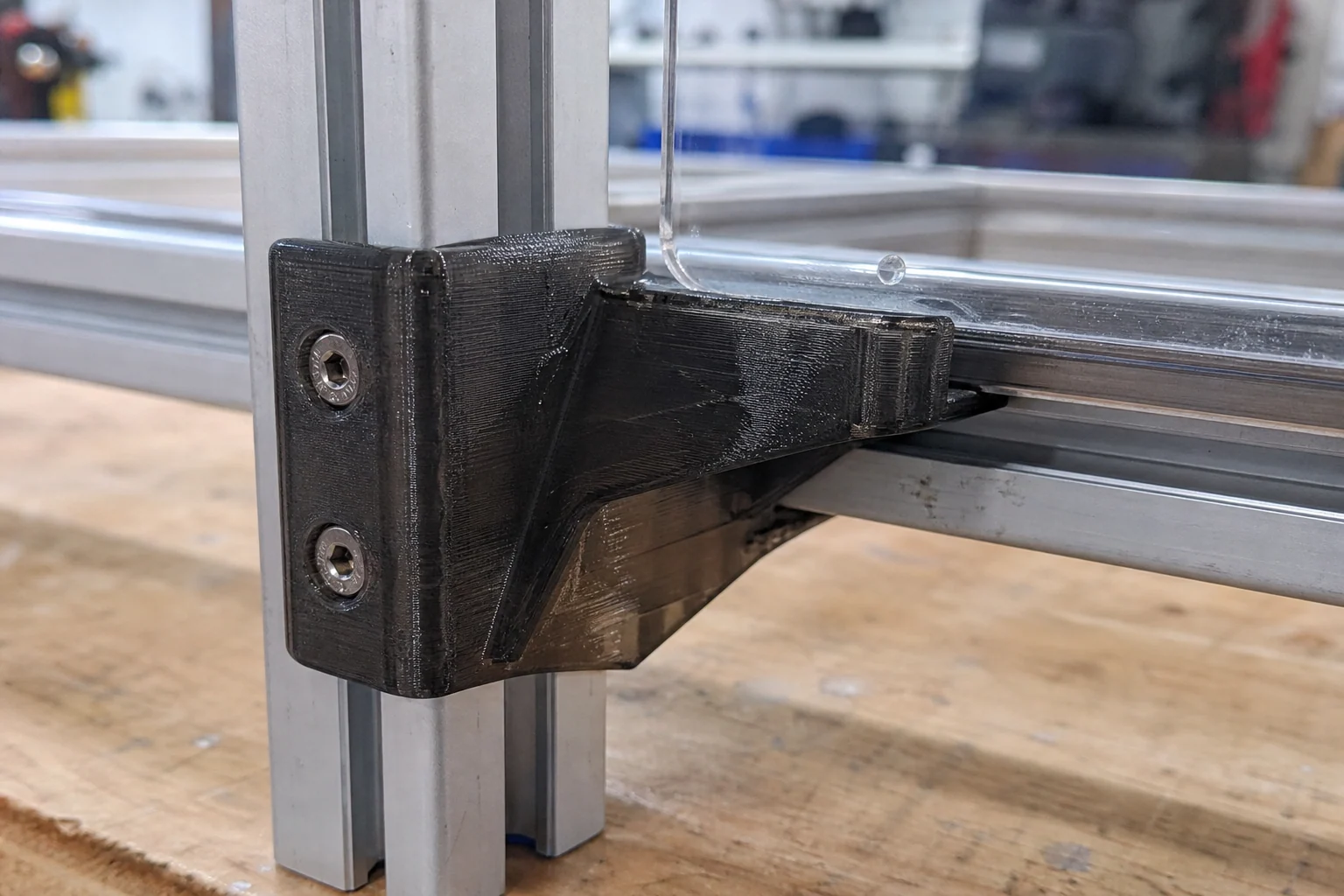
Tough with useful compliance
Indoor, shop, and damp areas
Brackets, guards, and covers
Creep, heat, and surface finish
PETG is often considered when a part needs more give and impact tolerance than a typical PLA prototype. It can work well around moisture and general shop use, but it is not a universal engineering plastic: sustained heat, long-term loading, chemical exposure, and tight cosmetic requirements still need project-specific review.
The material and the geometry work together. These advantages are strongest when orientation, wall thickness, interfaces, and the real operating environment are reviewed as one system.
PETG can absorb more deformation before breaking than a very rigid prototype material, which helps many functional geometries.
It is a useful candidate for covers, guards, and shop parts that may be wiped down or exposed to occasional moisture.
Selected translucent colors can reveal internal clearance, fluid level, or light transmission in a prototype.
A part held under constant stress can slowly change shape. Wall thickness, fastener preload, and support geometry matter.
The real temperature range and chemical contact should be reviewed instead of assuming all PETG grades behave the same.
Gloss and stringing can make some surfaces less uniform than a visual prototype. Orientation affects the final appearance.
Share the real interfaces and operating conditions. A short note about how the part fails is often more useful than selecting a material name alone.
Use adequate material around holes and avoid relying on thin walls to carry clamp load.
Reinforce cantilevers and loaded tabs when the part will remain under force for long periods.
Tell us which faces are visible or dimensionally important so orientation can be reviewed around them.
The material resists moisture, but a printed enclosure is not automatically waterproof. Seams, walls, fasteners, gaskets, and cable entries define the assembly.
It is commonly tougher and less brittle, while PLA is often stiffer and cleaner for visual detail. The better choice depends on the load and geometry.
Short or sheltered use may be practical, but long-term UV, heat, and weather exposure should be compared with an outdoor-oriented material such as ASA.
A prototype may use one material while the final part uses another. Compare the job requirements before locking the process.
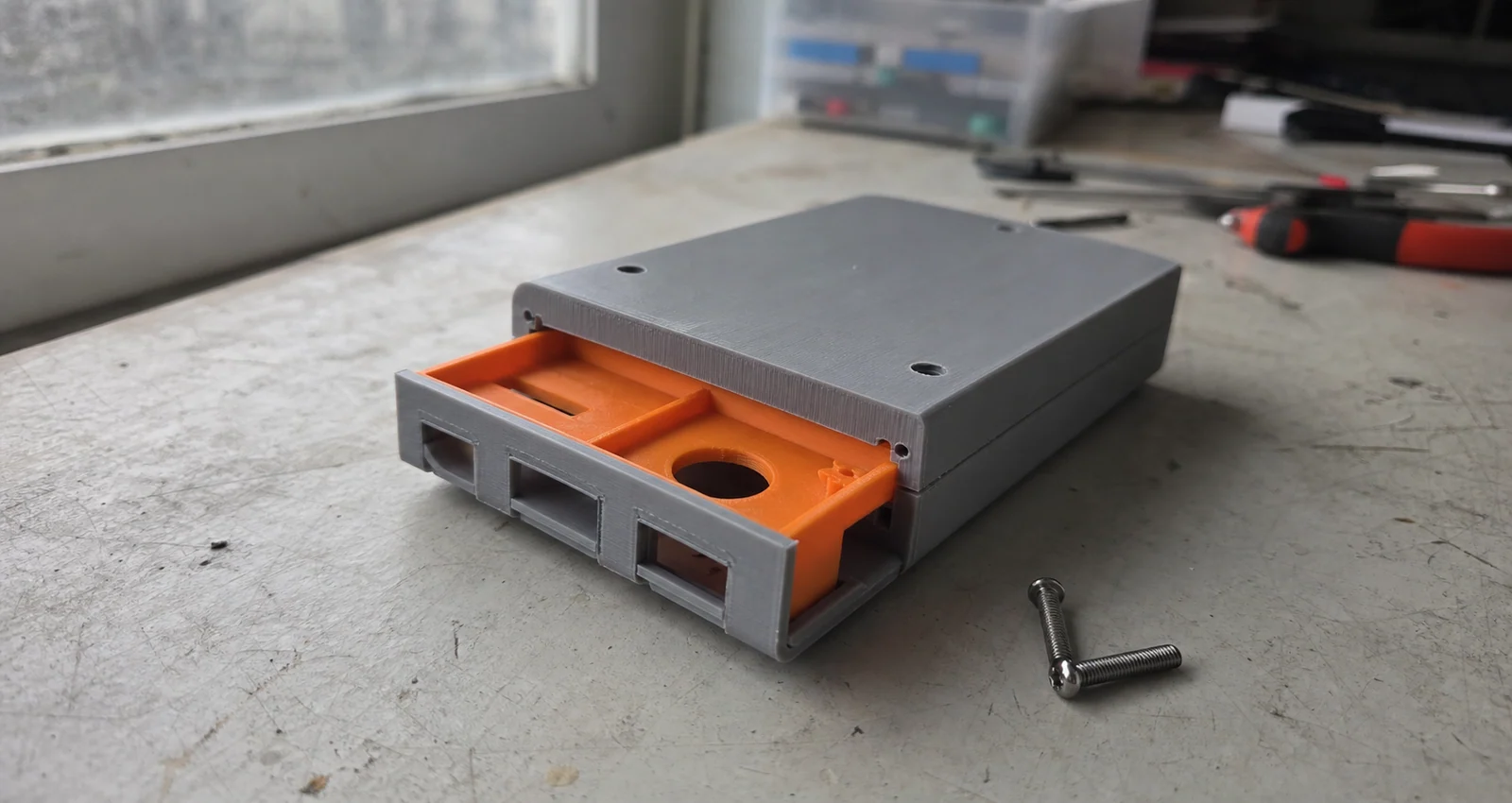
Visual prototypes, fit checks, fixtures, and indoor parts
View PLA →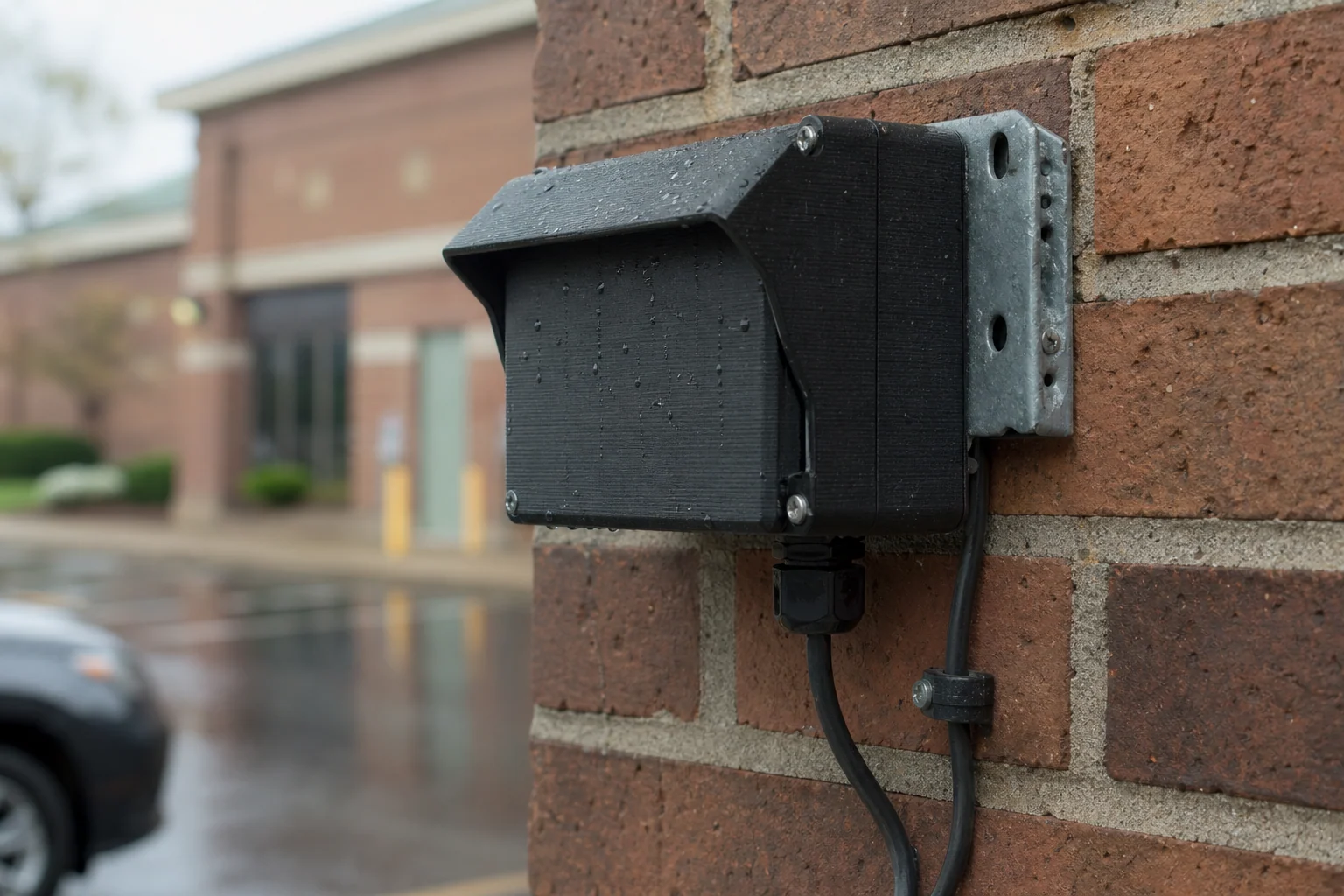
Outdoor housings, covers, and weather-exposed components
View ASA →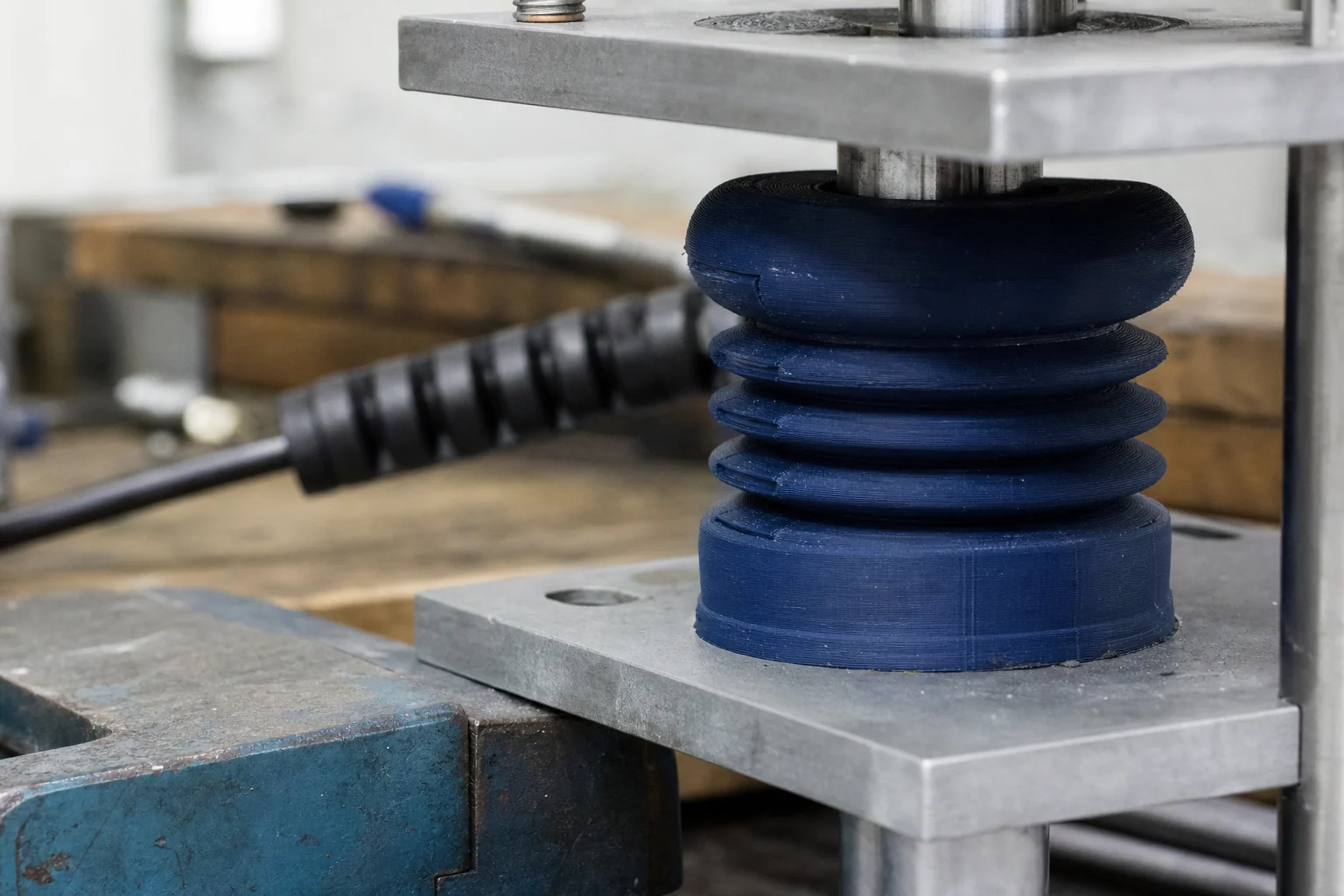
Flexible guards, bumpers, sleeves, and compliant features
View TPU →
Wear-resistant parts and demanding functional applications
View Nylon →Upload the geometry and describe the load, environment, quantity, and critical interfaces. We will confirm whether PETG is a practical match or recommend another option.