
01
Mechanical toughness
Nylon is useful when a part must tolerate repeated handling, flexing, shock, or a demanding assembly role.
Nylon is considered for tough, wear-oriented mechanical parts such as gears, guides, hinges, bushings, and loaded functional components.
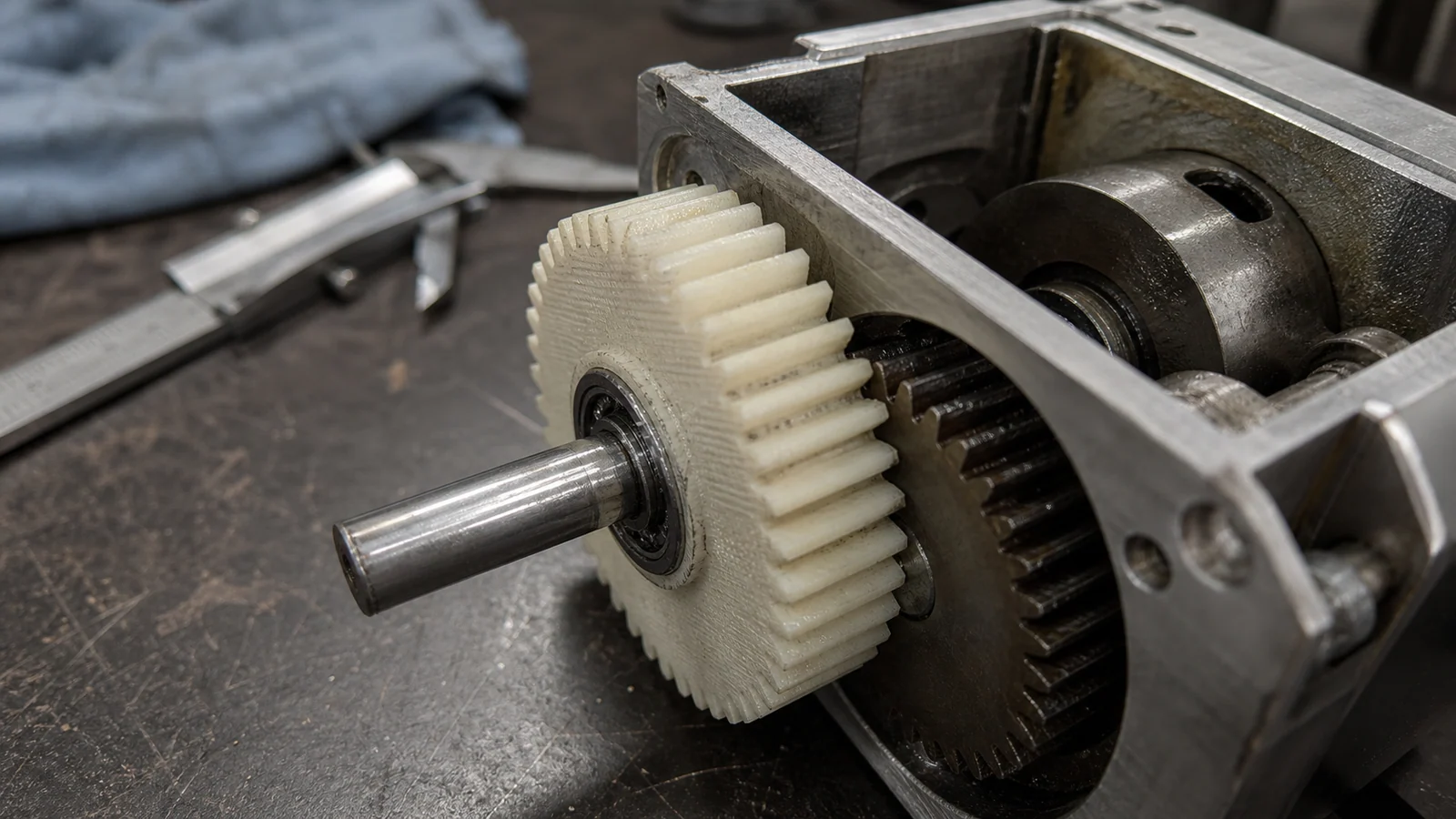
Tough, fatigue- and wear-oriented
Controlled mechanical applications
Gears, guides, hinges, and clips
Grade, moisture, and dimensions
Nylon can combine toughness, fatigue resistance, and useful sliding or wear behavior, which makes it valuable for demanding mechanical geometry. The exact grade matters: unfilled, reinforced, and process-specific nylons behave differently. Moisture conditioning, dimensional change, finish, and lead time are part of the material decision.
The material and the geometry work together. These advantages are strongest when orientation, wall thickness, interfaces, and the real operating environment are reviewed as one system.
Nylon is useful when a part must tolerate repeated handling, flexing, shock, or a demanding assembly role.
Guides, gears, and contact surfaces can benefit from nylon’s characteristic wear and sliding behavior when the grade fits.
Appropriate nylon geometry can work well for clips, hinges, and parts that experience repeated motion.
Nylon absorbs moisture, which can influence stiffness, dimensions, processing, and how the finished part performs.
Unfilled and reinforced nylons are not interchangeable. Abrasion, stiffness, finish, and directionality can change with the grade.
Drying, controlled processing, inspection, or a specialized print process may make nylon less suitable for a quick visual prototype.
Share the real interfaces and operating conditions. A short note about how the part fails is often more useful than selecting a material name alone.
Describe what the nylon touches, how it moves, whether it is lubricated, and which component should wear first.
Call out bores, shaft fits, gear centers, bearing seats, and sliding clearances that need measurement.
Start with load, environment, fatigue, and surface requirements before deciding between unfilled or reinforced options.
No. Strength depends on grade, process, orientation, geometry, moisture, and the specific load. The best material is application-dependent.
Yes, for appropriate loads, speeds, wear pairs, and lifetimes. Center distance, tooth geometry, lubrication, and testing still matter.
Nylon absorbs water from the air. Drying affects production, while conditioning can affect dimensions and final mechanical behavior.
A prototype may use one material while the final part uses another. Compare the job requirements before locking the process.
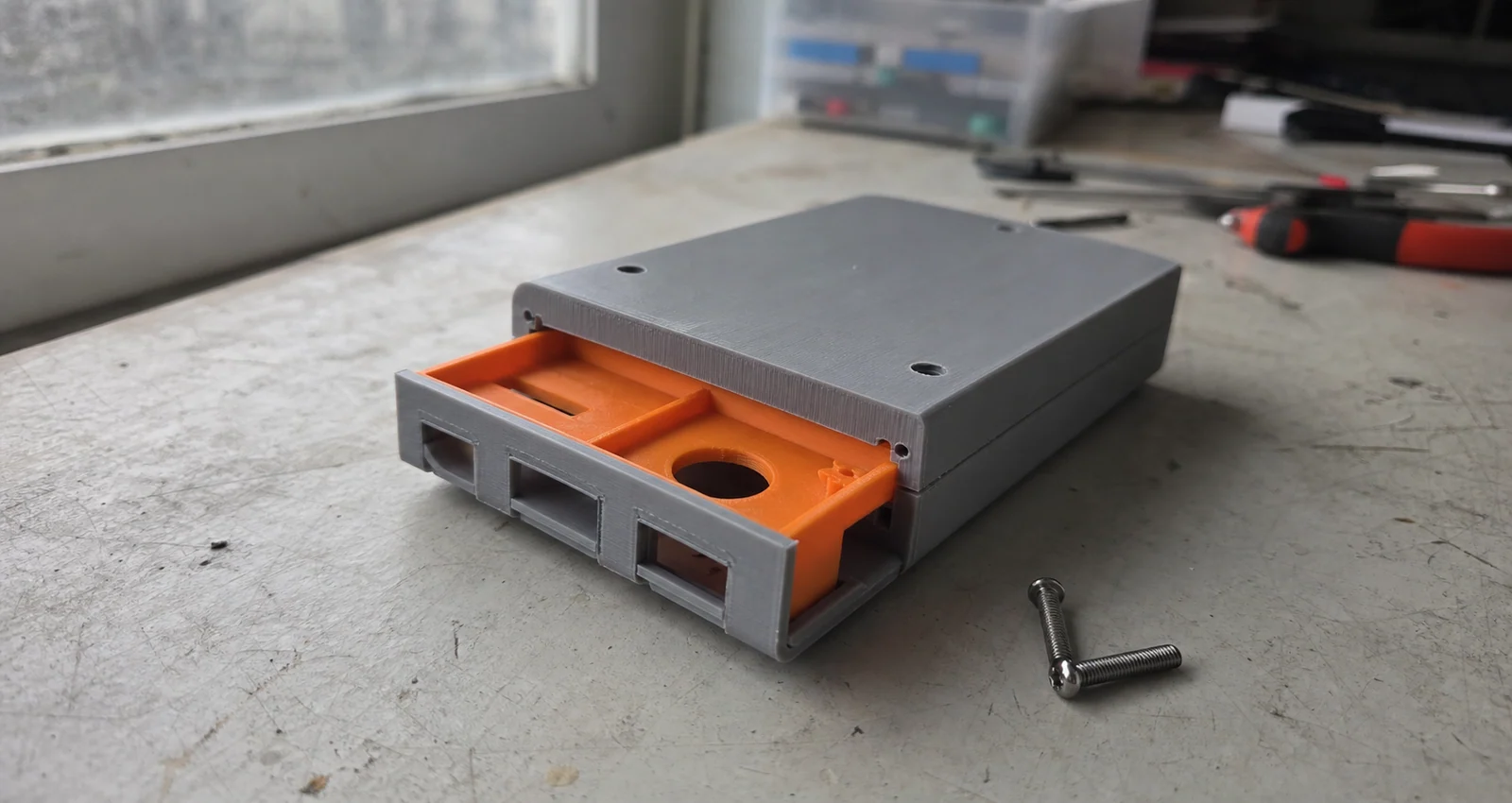
Visual prototypes, fit checks, fixtures, and indoor parts
View PLA →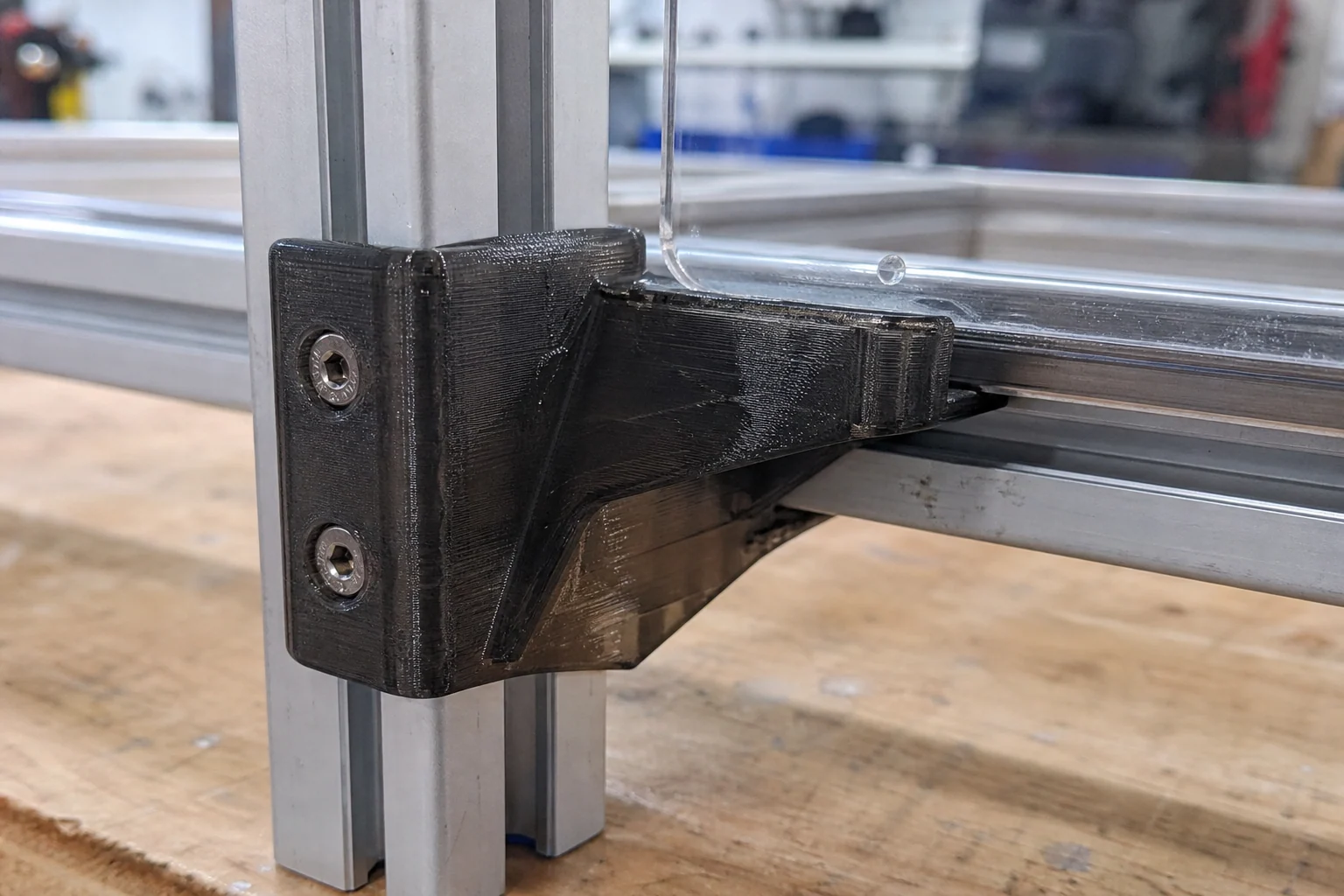
Functional parts, brackets, guards, and general shop use
View PETG →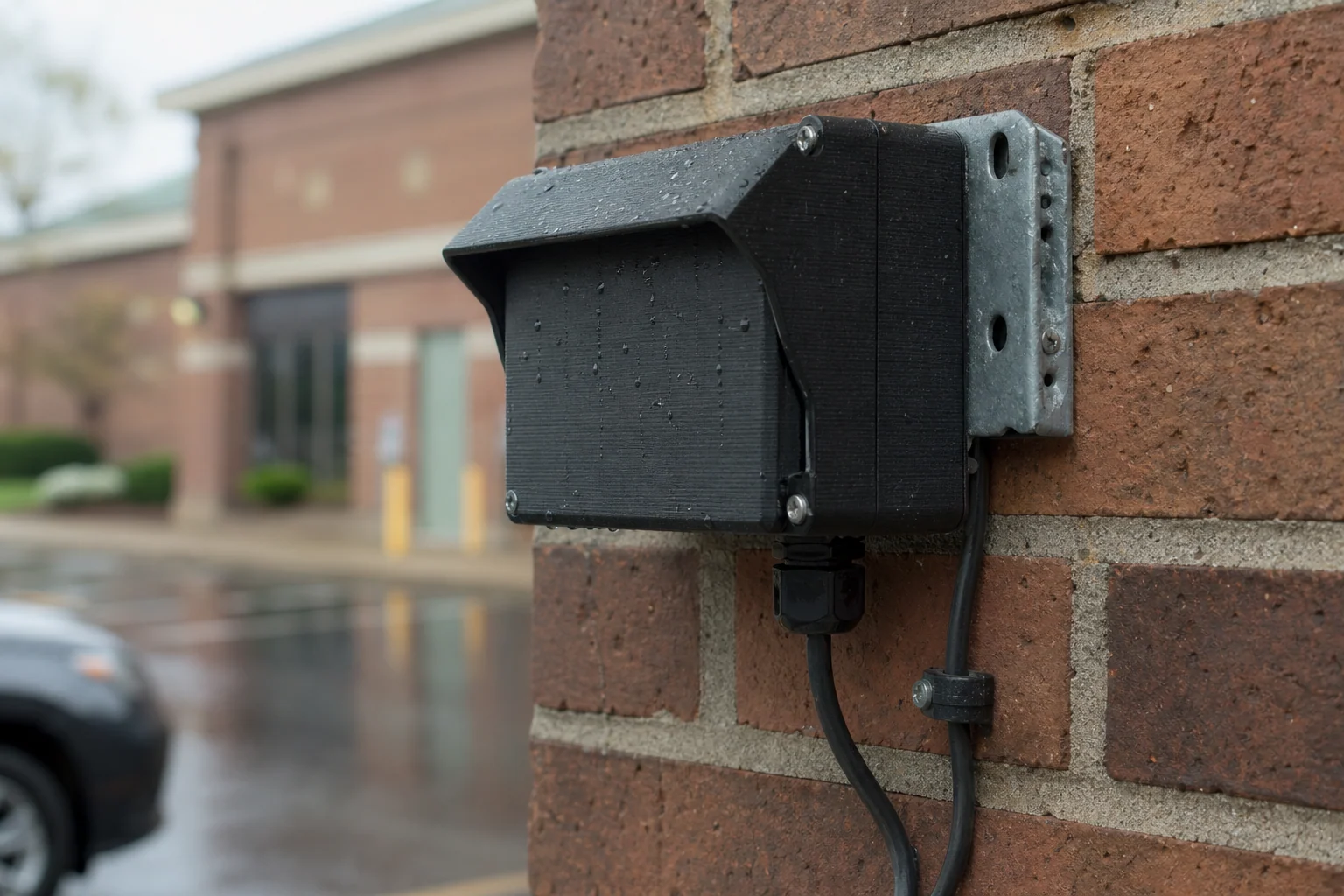
Outdoor housings, covers, and weather-exposed components
View ASA →
Flexible guards, bumpers, sleeves, and compliant features
View TPU →Upload the geometry and describe the load, environment, quantity, and critical interfaces. We will confirm whether Nylon is a practical match or recommend another option.