
01
UV stability
ASA is selected when a part must retain useful properties and appearance under sunlight better than common indoor prototype plastics.
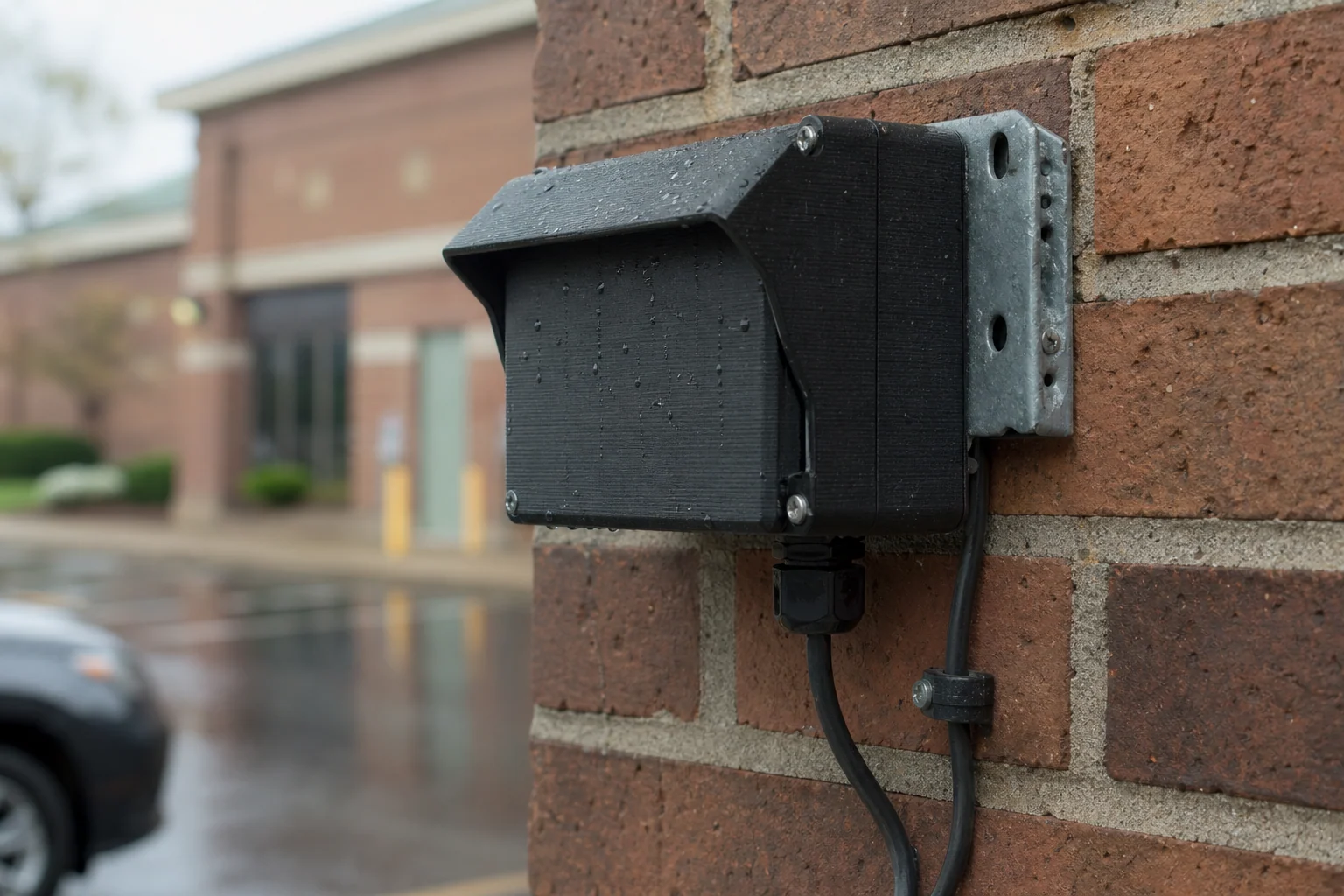
ASA is an outdoor-oriented material for housings, covers, mounts, and exposed components that must handle sunlight and changing weather better than standard PLA.
Rigid and outdoor-oriented
Sunlight and changing weather
Housings, covers, and mounts
Sealing, warp, and installation heat
ASA is a strong candidate for exterior plastic parts where UV exposure and weather are part of the job. It is commonly used for housings, covers, and mounts, but a successful part still depends on drainage, sealing, wall design, fasteners, thermal movement, and the actual environment around the installation.
The material and the geometry work together. These advantages are strongest when orientation, wall thickness, interfaces, and the real operating environment are reviewed as one system.
ASA is selected when a part must retain useful properties and appearance under sunlight better than common indoor prototype plastics.
It is a practical candidate for rain-exposed covers, mounts, and housings when the complete assembly is designed for the environment.
Rigid walls and brackets can hold shape for exterior installations when loads and fastening details are appropriate.
Material alone does not create a weatherproof enclosure. Joints, gaskets, cable glands, drainage, and screw locations all matter.
Sunlight and temperature cycling can move large parts and load their fasteners. Mounting slots or clearance may be needed.
ASA benefits from controlled print conditions. Large flat geometry and cosmetic faces should be reviewed before quoting.
Share the real interfaces and operating conditions. A short note about how the part fails is often more useful than selecting a material name alone.
Avoid pockets that hold water, and define whether the assembly sheds rain or needs a sealed interface.
Use bosses, washers, and sufficient wall thickness around screws that experience outdoor cycling.
Photos of the mounting location help us review sun exposure, nearby heat, cable paths, and available clearance.
No material choice alone guarantees that. Waterproofing depends on the full enclosure design, print strategy, seals, fasteners, and penetrations.
ASA is commonly preferred for sustained UV and weather exposure. PETG may still fit sheltered or short-term use depending on the application.
Yes, with suitable surface preparation and compatible coatings. Tell us when paint or a specific cosmetic finish is part of the requirement.
A prototype may use one material while the final part uses another. Compare the job requirements before locking the process.
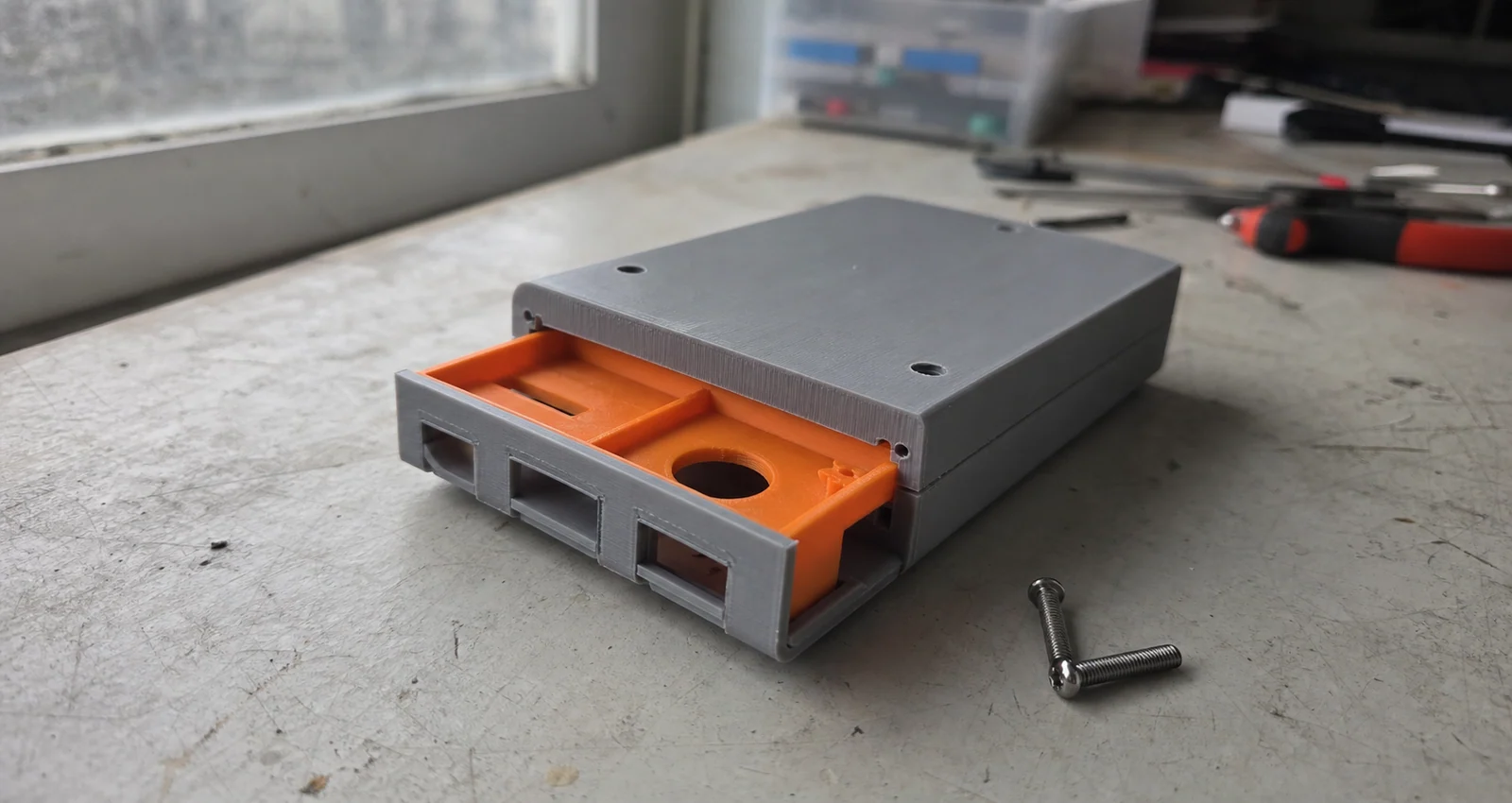
Visual prototypes, fit checks, fixtures, and indoor parts
View PLA →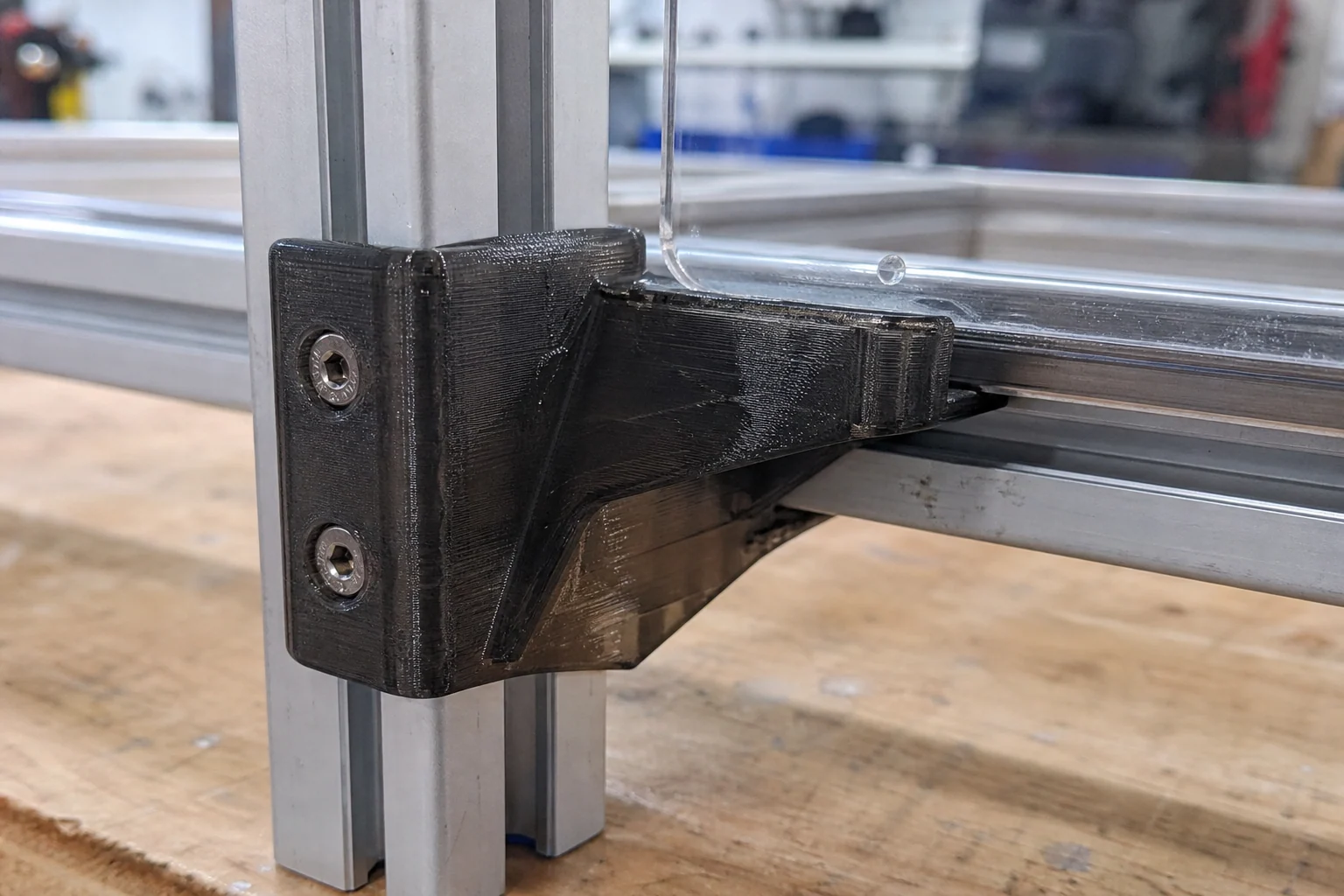
Functional parts, brackets, guards, and general shop use
View PETG →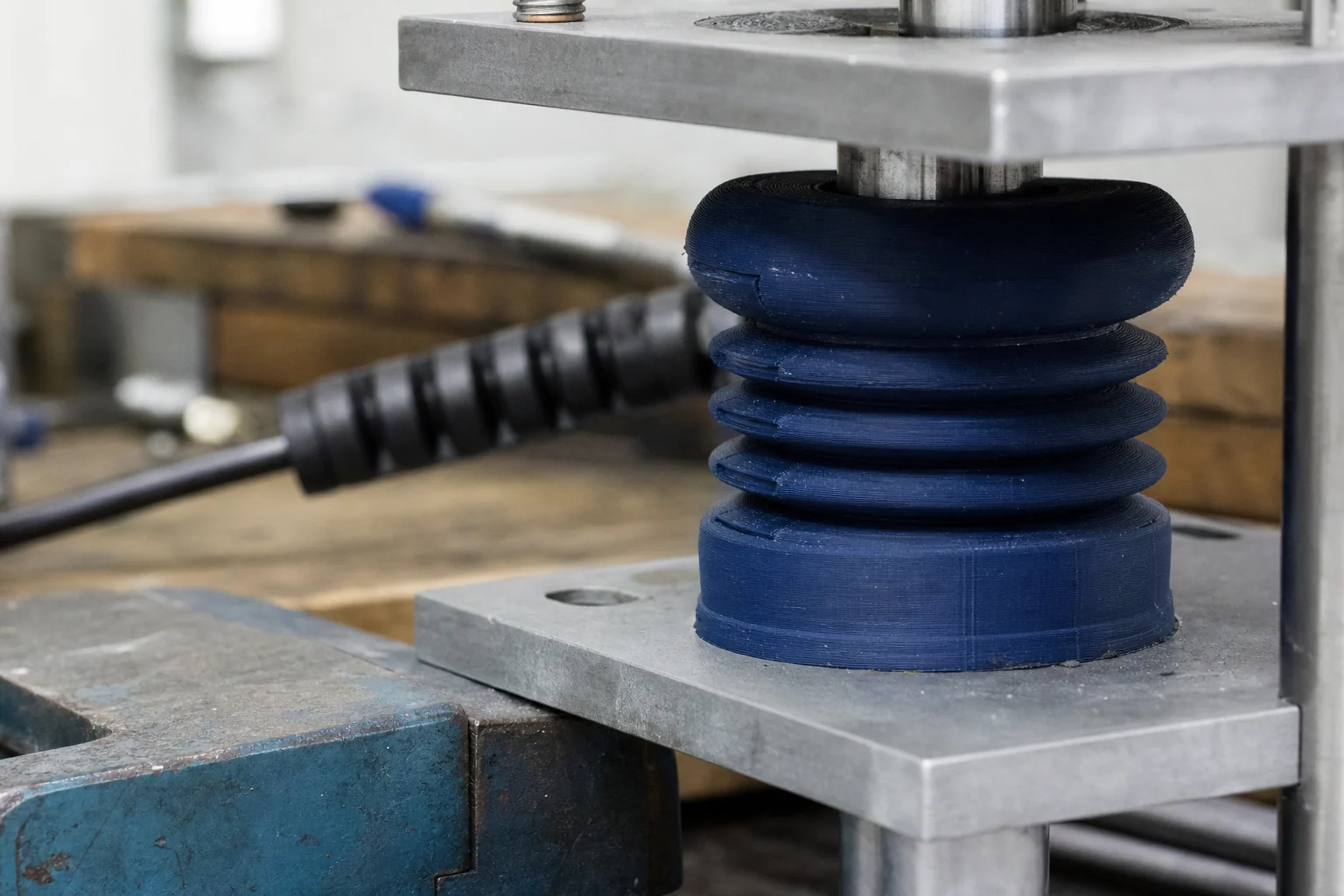
Flexible guards, bumpers, sleeves, and compliant features
View TPU →
Wear-resistant parts and demanding functional applications
View Nylon →Upload the geometry and describe the load, environment, quantity, and critical interfaces. We will confirm whether ASA is a practical match or recommend another option.